Healing Is Possible: A Conversation with Trauma Healing & Lifestyle Design Coach Sara Miley
Trauma can shape the way we see ourselves, navigate relationships, and move through the world. Yet healing is possible and it often begins with understanding how our past experiences continue to influence our present lives.
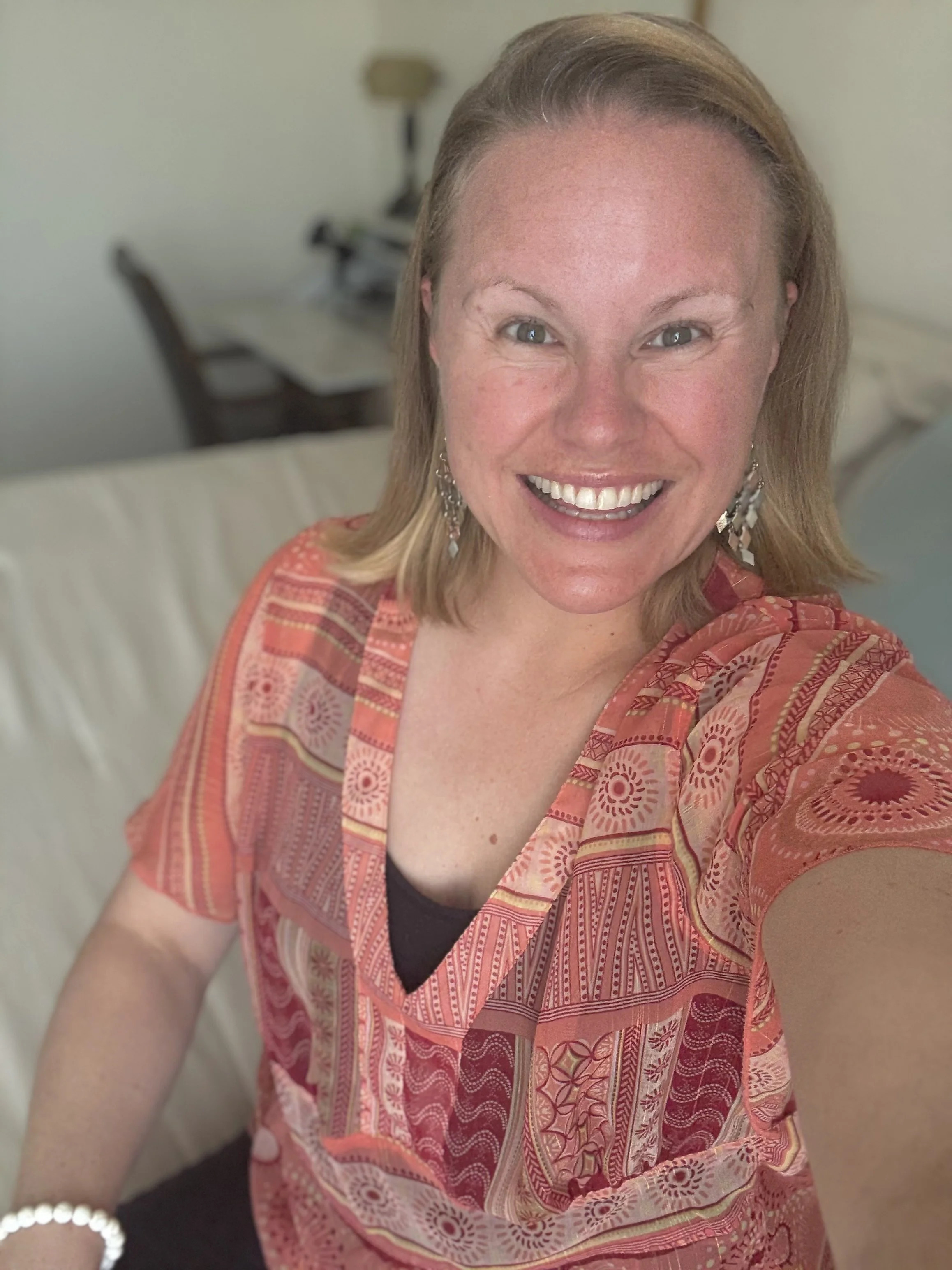
In this special Q&A, I sat down with Sara Miley, a Trauma Healing and Lifestyle Design Coach who helps individuals break free from limiting patterns, regulate their nervous systems, and reconnect with their authentic selves. Drawing from trauma-informed coaching and Internal Family Systems (IFS), Sara offers a compassionate and practical approach to lasting transformation.
In our conversation, Sara shares her personal journey into trauma healing, explains how trauma coaching differs from traditional therapy, and offers valuable insights and tools for those seeking deeper healing and growth.
What first led you to work in trauma healing and coaching?
My path into this work was both professional and deeply personal. I saw how many people were doing “all the right things” to feel better, yet still felt stuck in the same emotional patterns, relationship dynamics, or internal struggles. Over time, it became clear that insight alone wasn’t enough—there was something deeper happening in the nervous system and in the parts of us shaped by earlier experiences. That realization led me to study trauma more intentionally and to build a more integrative approach to healing. Now, I help people move beyond just understanding their patterns and into actually changing how they experience themselves and their lives.
What is trauma coaching, and how is it different from traditional therapy?
Trauma coaching focuses on helping people create meaningful change in their present-day lives while understanding how past experiences may still be influencing them. While therapy often centers on diagnosis, processing, and clinical treatment, coaching is more future-oriented and action-based. I work with clients to build awareness, increase capacity, and practice new ways of relating to themselves and others in real time. It’s also highly collaborative—clients are active participants in their growth, not just recipients of care. Many people find that coaching complements therapy well, especially when they’re ready to integrate what they’ve learned into their daily lives.
What is Internal Family Systems (IFS) coaching, and how does it help people heal trauma?
IFS coaching is based on the idea that we all have different “parts” within us—some that protect, some that carry pain, and some that hold our core sense of self. Instead of trying to get rid of difficult thoughts or behaviors, we learn to understand and work with these parts in a compassionate and curious way. This approach helps reduce internal conflict and builds a stronger, more grounded sense of self-leadership. For trauma survivors, it can be especially powerful because it creates safety inside, rather than relying only on external circumstances. Over time, people often experience more clarity, emotional balance, and trust in themselves.
Who tends to benefit the most from your trauma-informed coaching service?
The people who tend to benefit most are those who have some level of self-awareness but still feel stuck in patterns they can’t seem to shift on their own. This might look like people-pleasing, burnout, relationship challenges, or a constant sense of overwhelm or self-doubt. Many of my clients are high-functioning on the outside but feel disconnected, exhausted, or frustrated internally. They’re often ready for deeper work—not just coping, but real change. If someone is open, curious, and willing to engage in the process, this work can be incredibly impactful.

How can survivors begin to make meaning from their trauma rather than feeling defined by it?
Making meaning from trauma doesn’t mean minimizing what happened—it means changing your relationship to it. That often begins with understanding how your experiences shaped your patterns, your nervous system, and the ways you learned to stay safe. From there, we can start to separate who you are from what you went through. As people build more capacity and self-awareness, they’re able to see their responses with more compassion rather than shame. Over time, this opens the door to choice, growth, and a sense of identity that feels more expansive than the past.
What are some simple practices people can use to help regulate their nervous system?
Simple practices can be incredibly effective when done consistently and with intention. Things like slowing down your breathing, orienting to your environment, or noticing physical sensations in your body can help signal safety to your nervous system. Gentle movement, getting outside, or even placing a hand on your body can also support regulation. The key is not doing these as quick fixes, but as ways to build capacity over time. Small, repeated moments of safety can start to shift how your system responds more broadly. For your readers, I created an in-depth nervous system regulation guide that I can email to them free of cost if they are interested.

If there was one message you wish every trauma survivor could hear, what would it be?
Healing is possible. Not in a rushed, overnight way—but in a steady, real, and deeply transformative way over time. The patterns you’re experiencing may have developed for very good reasons, which means they can also be understood, worked with, and shifted. You don’t have to stay defined by what happened to you or by the ways you learned to cope. With the right support, safety, and process, people often find more capacity, more connection, and more of themselves than they thought was available. #healingispossible
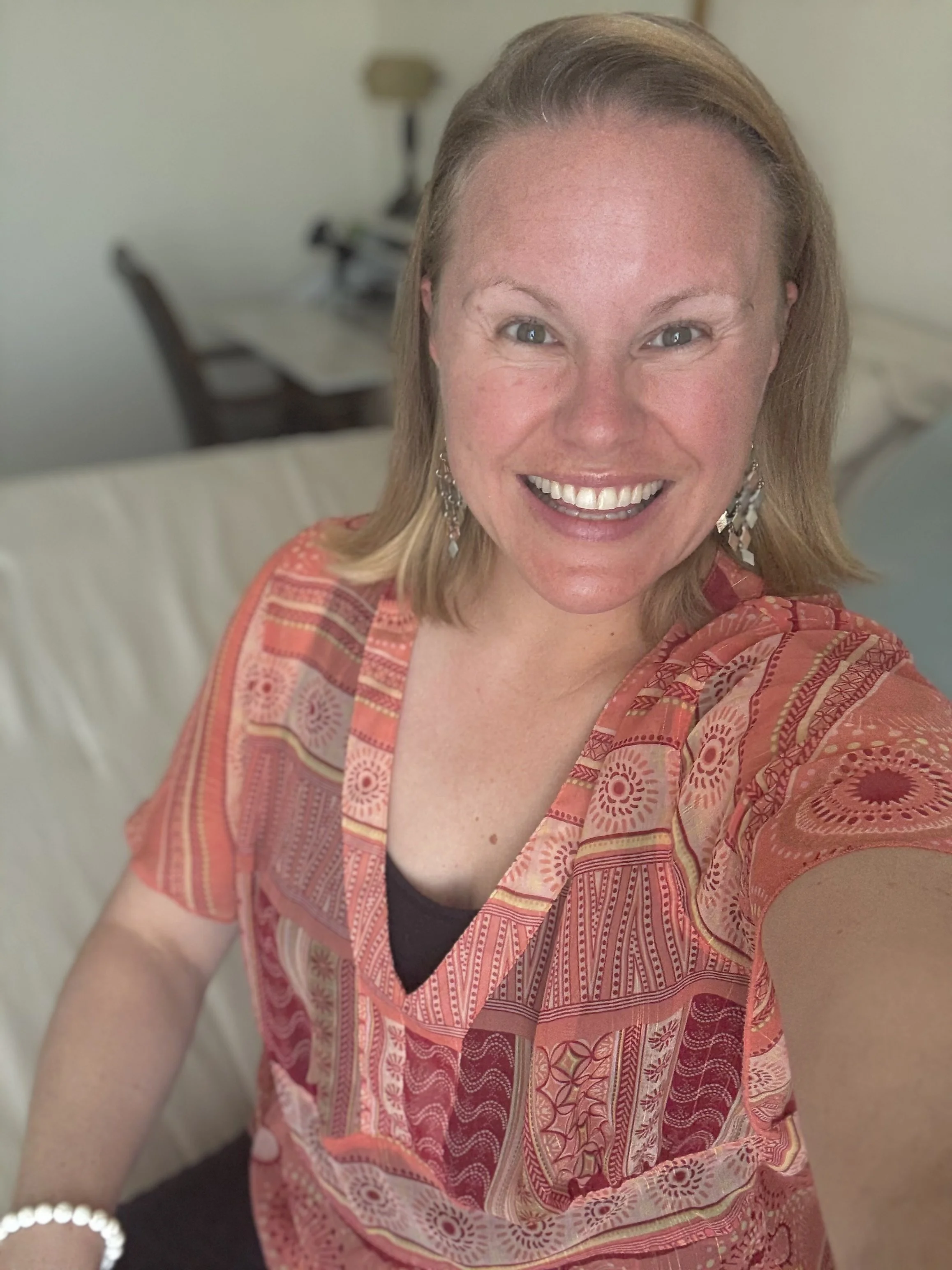
Healing is Possible
One of the most powerful messages Sara shares is that healing is possible. No matter what you've experienced, you are not defined by your trauma, and meaningful change can happen with the right support, tools, and guidance.
If Sara's approach resonates with you and you're ready to explore your own healing journey, she invites you to schedule a free consultation to see if working together is the right fit. Whether you're struggling with people-pleasing, relationship challenges, nervous system dysregulation, or simply feeling stuck, trauma-informed coaching can help you move toward greater self-understanding, resilience, and freedom.
To schedule a complimentary consultation, visit Sara's website and connect with her directly. Click on the button below to schedule a Free Consultation with Sara!