
Individual Therapy for Infidelity in CO, TX, VA, FL & ID.
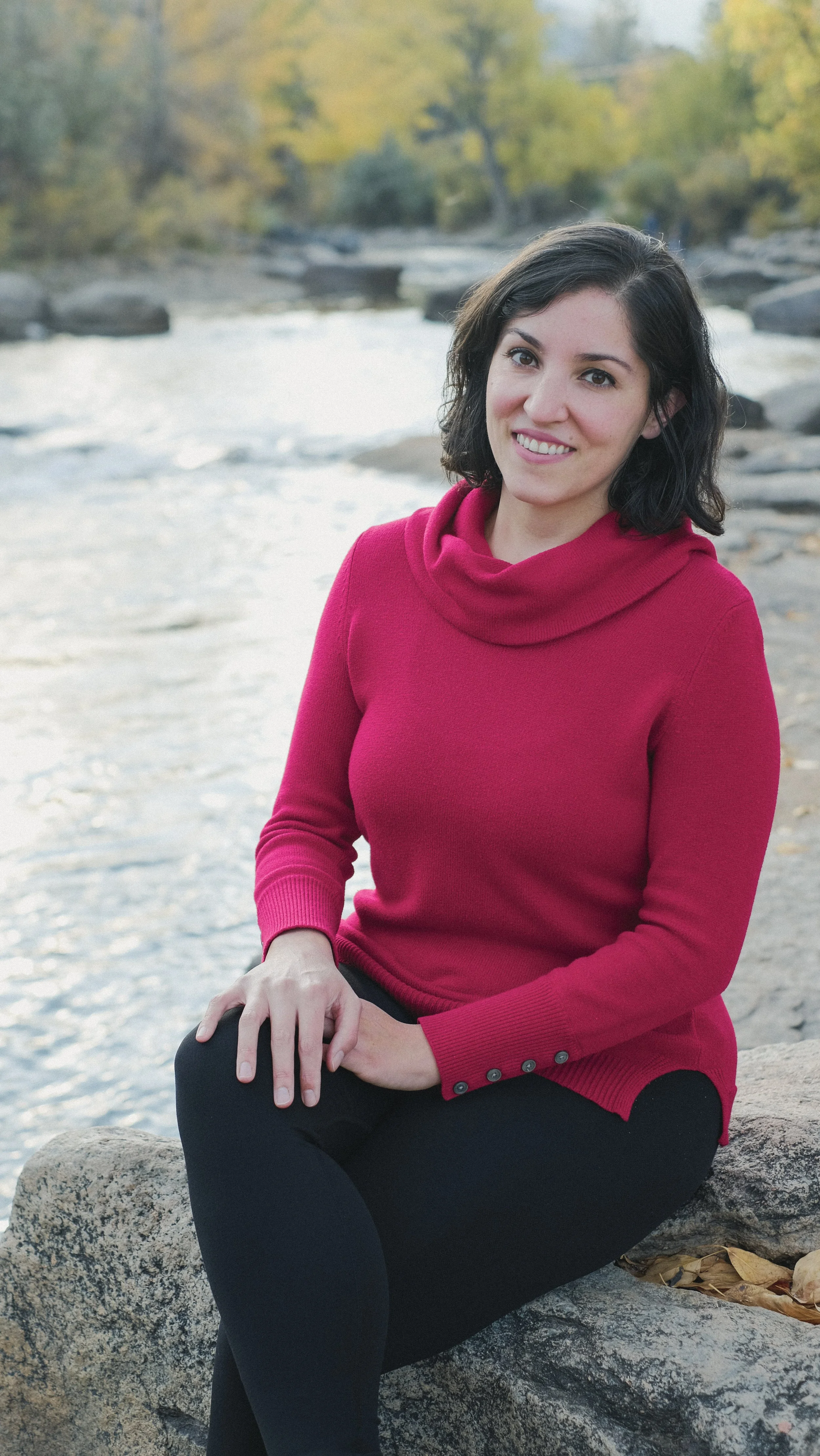
Hello, I am Carolina!
I work with individuals who have crossed a line in their relationship and are now asking:
How did I get here? How do I make sure I never do this again? I can`t stop thinking about my coworker, and I am scared.
My work goes beyond the affair itself. Together, we look at the deeper patterns underneath it: attachment wounds, avoidance, shame, validation-seeking, emotional disconnection, and the parts of you that may have been acting outside your awareness.
Using EMDR, Attachment work, Parts work, and Specialized training in Childhood trauma, Infidelity, Limerence and Relationship trauma, I help clients take accountability without getting stuck in self-destruction.

You want to Forgive Yourself and Feel Whole Again
I value an in-depth work for people who want to show up differently in their relationships. I am not just about symptom relief. I go deep with you in therapy. I'm not here for superficial therapy. I’m here to help you dive deep and heal. I help you look at your life in a new way, so you can feel empowered in yourself and enjoy your relationships.
Instead of letting past pain, and unconscious patterns dictate your choices, you’ll have the opportunity to reshape your experiences and create a story that highlights your strength, resilience, and potential.
Education and Professional Development:
Master’s Degree in Social Work from Western New Mexico University
Licensed Clinical Social Worker LCSW
EMDR Eye Movement Desensitization Movement Reprocessing - EMDRIA Certified Therapist
Advanced EMDR training in Grief and Loss and Complex PTSD
Trained in Ego States Therapy and Interventions/Parts Work
Trained in Structural Dissociation Theory/Parts Work
NATC Narcissistic Abuse Treatment Clinician
WIEBGE Certified - “Will I Ever Be Good Enough?” Dr. Karyl McBride’s Five Step Recovery Model for Treating Adult Children of Narcissistic Parent
Attachment Focused Therapy and Compassion Focused Therapy
Imaginal Nurturing, Ego States, and Attachment: Developing a Secure Self
RRP Relationship Recovery Process for Childhood Trauma - Amanda Curtin
Gottman Method Couples Therapy – Level 1 & 2
Gottman Method – Treating Affairs and Trauma
Advanced Training in Affair Recovery
SART level 1 trained - Systemic Affair Recovery Therapy
Are We a Good Fit?
Good Fit!
You experienced childhood trauma and you are open and ready to heal.
You are serious about this work.
You are willing to take responsibility for your own healing, nobody else will not do that for you.
You want to dive deep into therapy and desire to re-connect with yourself.
You are committed to the process because you value and prioritize your growth.
Ready to invest time, money, and energy into this work,
Open to self-reflection, even if it’s uncomfortable.
You want to go into the roots of your present problems because you know that superficial therapy just doesn’t work for you anymore.
You understand the importance of active participation in the therapeutic process.
Comfortable with discomfort and willing to be introspective and self-reflective during the sessions.
You are accountable for your actions. You know your part in the consequences of your choices.
Not a Good Fit.
You want superficial therapy because you don`t want to dig into the past.
You are not ready to invest in deep healing so you only want to come in to therapy once a month.
You want to come in to sessions to vent but not to create real change.
You cancel appointments and miss your sessions because therapy is not a priority right now.
You want a quick fix and a quick relief when things are hard.
You’re hoping for others to create change in your life, rather than stepping into your own power to make those changes yourself.
You avoid taking responsibility for your actions and making necessary changes.
Blaming everybody else for the current problems and not willing to understand your own projections.
Might anticipate the therapist to “fix” your problems.
You prefer to keep therapy within the session rather than applying what you’ve learned to your daily life.